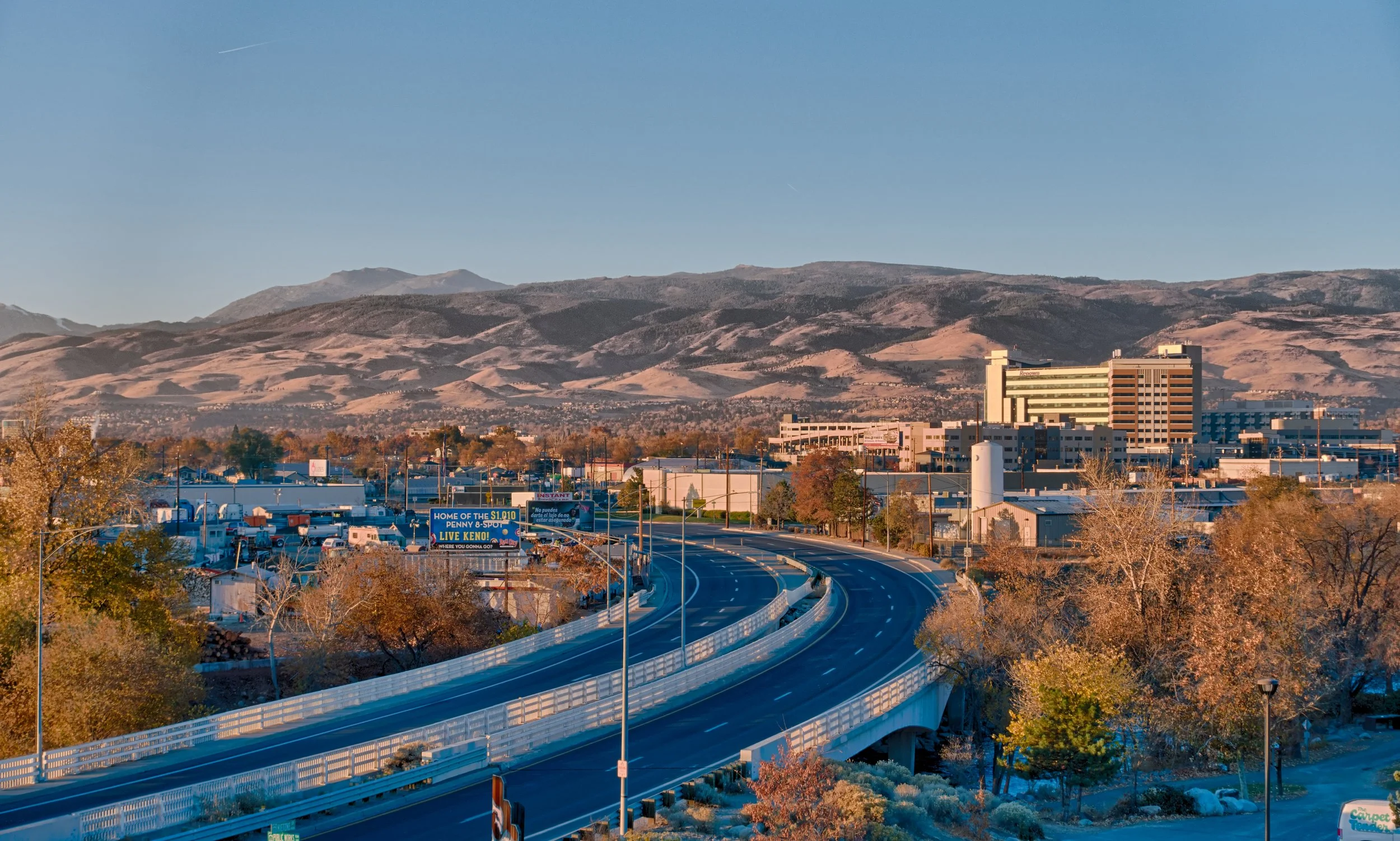
Well-maintained roads benefit everyone.
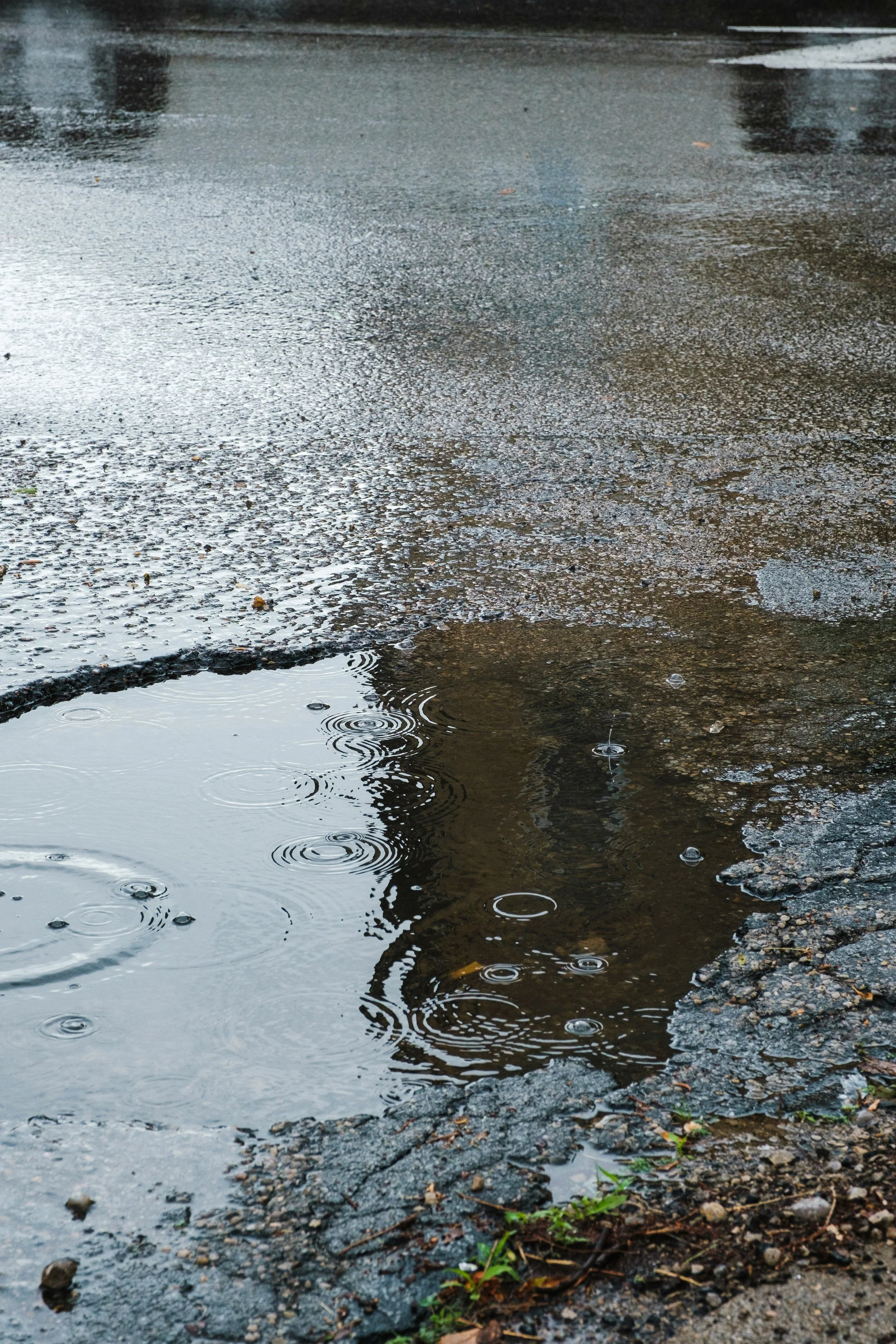
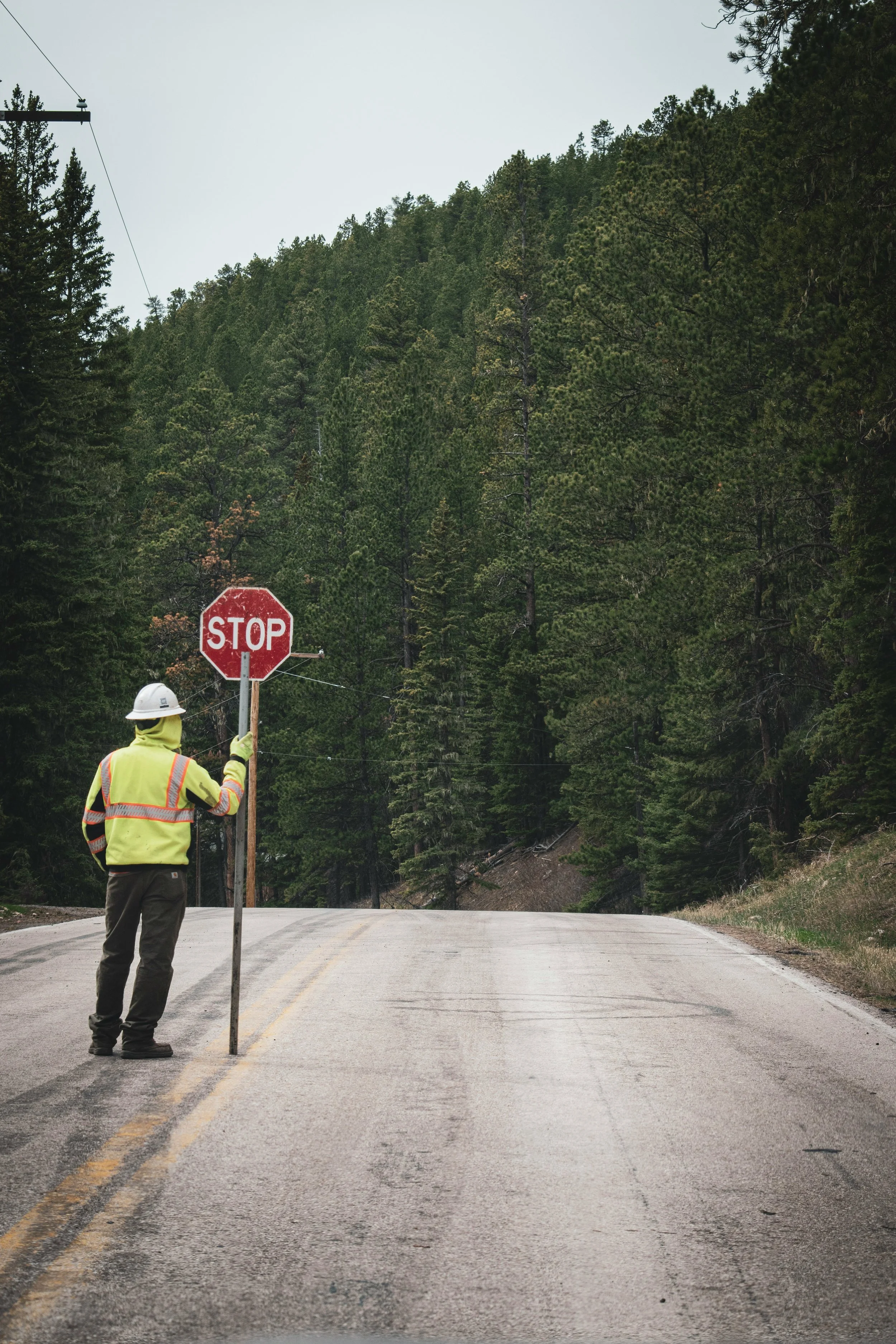
Road funding isn't just about fixing potholes. It helps improve intersections and traffic signals, build safer crosswalks, and widen or build new roads to reduce congestion.
The result is safer roads, fewer vehicle repairs, better air quality, and better fuel efficiency.
Let’s keep our roads safe
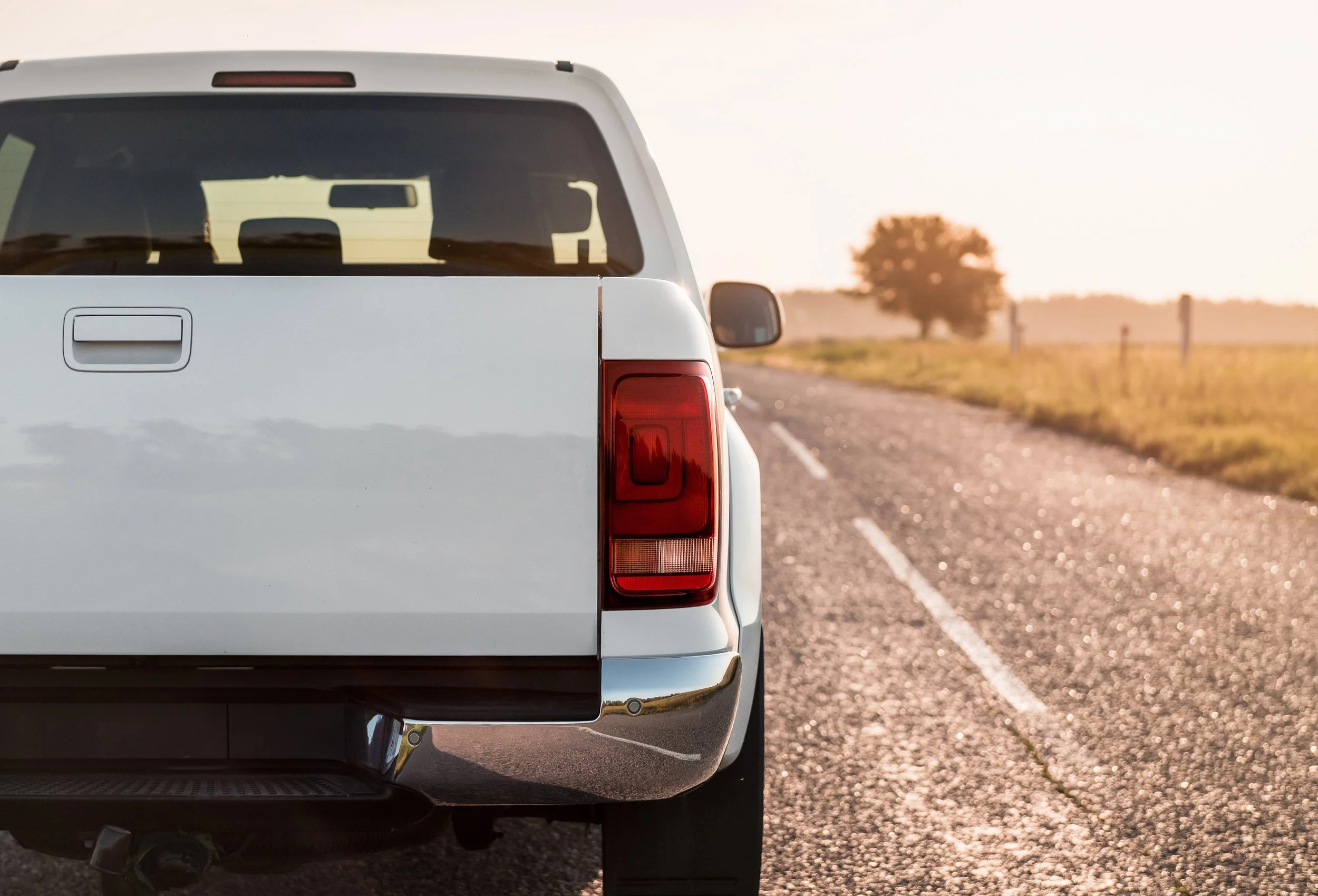
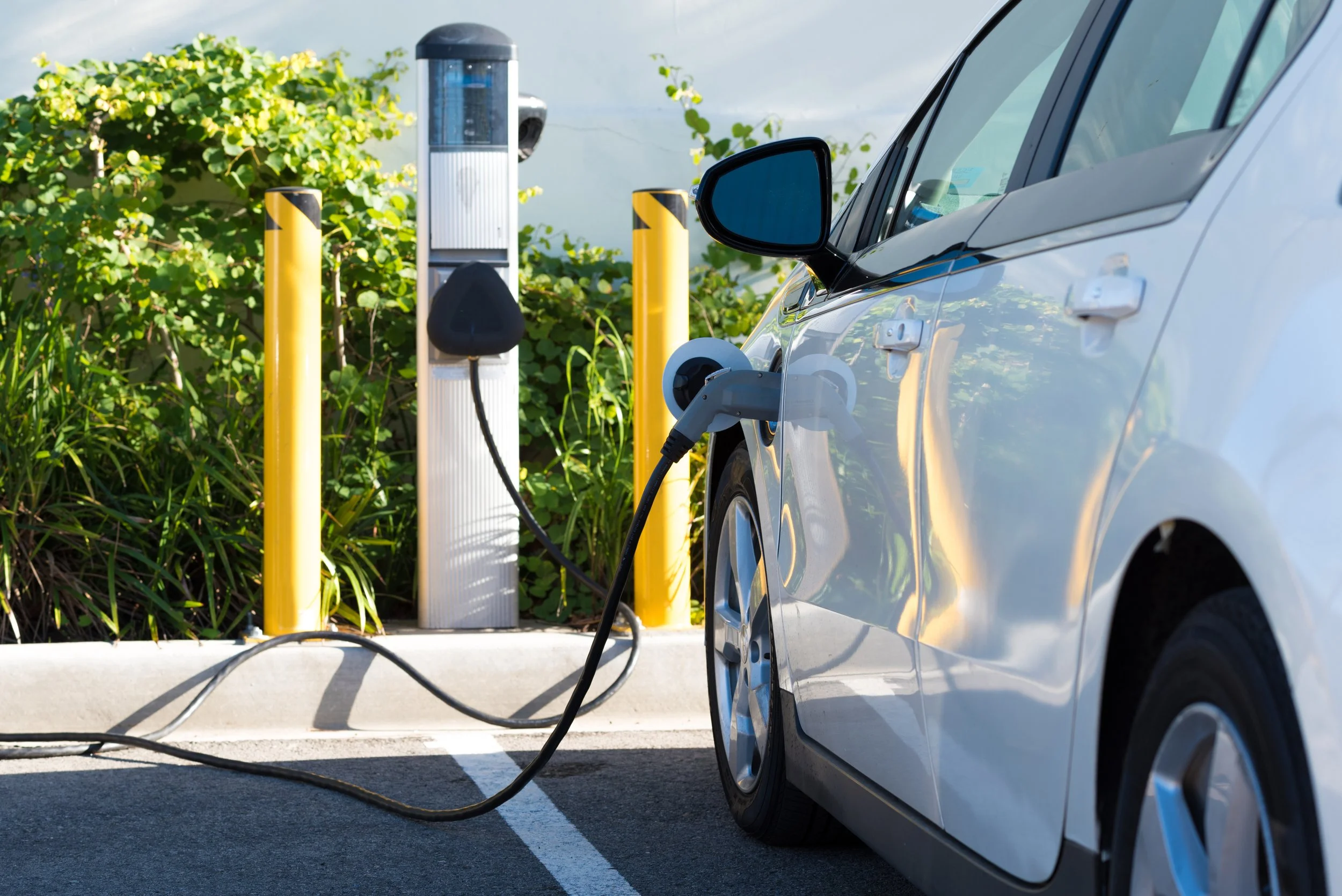
Gas-powered vehicles contribute to local roads through gas taxes. Hybrid vehicles generally pay less, while electric vehicles pay nothing at all.
WC-1: Streets and Highways Funding Advisory Question asks whether voters support an annual road use fee for electric and hybrid passenger vehicles. If authorized by the Nevada Legislature, the fee would:
Apply to electric and hybrid passenger vehicles registered in Washoe County
Be charged annually when an electric or hybrid vehicle is registered
Be adjusted annually for inflation
Generate revenue dedicated to road maintenance and safety

Nearly
$600
average pothole-related vehicle repair cost
25–45%
crash reduction on regional roads after safety measures
Help keep our roads safe and well-maintained.
Vote YES on
WC-1
Frequently Asked Questions
Read the 2025 Guinn Center study for more information.
-
WC-1 is a non-binding advisory question that will appear on the 2026 general election ballot in Washoe County. The vote itself does not create a fee or change the law. Any future fee would require action by the Nevada Legislature. It’s simply a way to tell state lawmakers whether voters support an annual road use fee for electric and hybrid passenger vehicles registered in Washoe County.
-
The road use fee would apply to electric and hybrid passenger vehicles registered in Washoe County. Gasoline-powered vehicles would not be subject to this fee.
-
Gasoline-powered vehicles contribute to local road funding through gas taxes. Electric vehicles do not purchase gasoline, and hybrid vehicles generally purchase less gasoline than comparable gasoline-powered vehicles. The road use fee is intended to provide another way for these vehicles to contribute to local road funding.
-
No amount has been set. WC-1 asks voters whether they support the concept of an annual road use fee. The fee amount would be determined through the legislative process.
-
Revenue would be dedicated to transportation projects that reduce traffic congestion, repair and maintain roads, and increase safety in Washoe County.
-
No. Electric, hybrid, and gas-powered vehicle owners pay the same registration fees and taxes. The road use fee would help supplement unpaid gas taxes, which make up a significant portion of local road funding.
-
Road usage and the cost of maintenance are both increasing, while funding from gas taxes is decreasing. This creates a funding gap, which will only widen as more drivers choose electric and hybrid vehicles.
-
Yes, most of them. Nevada is one of only nine states that have not adopted other road use fees for electric and hybrid vehicles.
-
Washoe County has explored several ways to address changes in road funding, including vehicle-miles-traveled (VMT) fees and electric charging station taxes.
However, implementing a VMT system would require a new way to track and administer mileage, making it very complicated and costly to establish. And EV charging happens in many different places, including at private homes, making it difficult to consistently measure and collect the appropriate tax amount. The 2025 Guinn Center study discusses each option in depth.
The road use fee is the most practical short-term option because it would use existing vehicle registration systems, be relatively straightforward to administer, and provide predictable revenue.